flight safety
A deep analysis into aviation safety incidents and regulations, and what it means for our world and our travels.
Introduction
Aviation safety has long been shaped by a cycle of tragedy, investigation, and reform. From catastrophic mechanical failures to pilot error and regulatory lapses, every major air disaster serves as a turning point in the industry’s pursuit of safer skies. Only after mounting public pressure and significant accidents did regulators implement more stringent protocols, reinforcing the reactive nature of aviation policy. This project was created by UCLA students for Digital Humanities 101, which focuses on forming human-centered research questions based on structured data, and using various digital tools to answer these questions. This specific flight safety project examines the evolution of aviation safety through historical case studies, statistical analyses, and economic correlations. By analyzing key aviation disasters, regulatory responses, and ongoing challenges—such as corporate accountability, technological advancements, and economic inequality—this research aims to provide a comprehensive understanding of the evolution of air travel as a mode of transportation, enabling the travel of ideas, movements, and people across the world.
American Aviation: A brief History
Our research questions
How does GDP correlate with aviation safety?
How has aviation safety changed over time?
We used these research questions to guide the focus of our project and evaluate different variables pertaining to flight safety. When considering how aviation safety has changed over time, we observed regulatory practices, manufacturing advancements, and statistics of fatalities in flight incidents. We also observed economic factors and their role in aviation safety, specifically looking at the GDP in countries of flight incidents.
Case studies
9/11
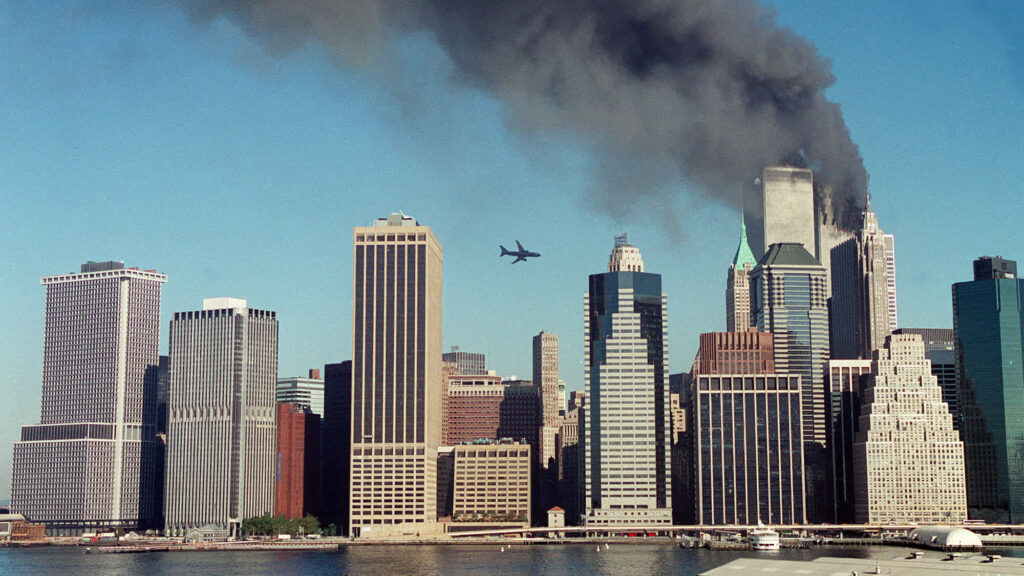
On September 11, 2001, terrorists hijacked four commercial airplanes, all of which crashed (two into the World Trade Center in New York City, one into the Pentagon in Arlington, VA, and one into a field in western PA). These attacks are the deadliest acts of terrorism in history, resulting in the tragic loss of 265 flight passengers and 2,977 victims on the ground. Aviation data from this day highlights the scale of this disaster, but behind the numbers are the human stories involved in this horrific event. Lauren Manning, a senior executive at Cantor Fitzgerald, arrived at the North Tower’s lobby just as American Airlines Flight 11 struck. The explosion engulfed her in flames, causing burns over more than 80% of her body. Despite the severity of her injuries, she endured a long recovery, symbolizing resilience in the face of overwhelming adversity. Welles Crowther, known as “The Man in the Red Bandana,” repeatedly ran back into the South Tower to rescue others before losing his life. His story, like Manning’s, adds a deeply human dimension to the statistics from 9/11. By combining data with personal narratives, digital humanities allows us to understand not just the numbers but also the lived experiences, emotions, and heroism behind them.
Jeju Air Flight 7C2216
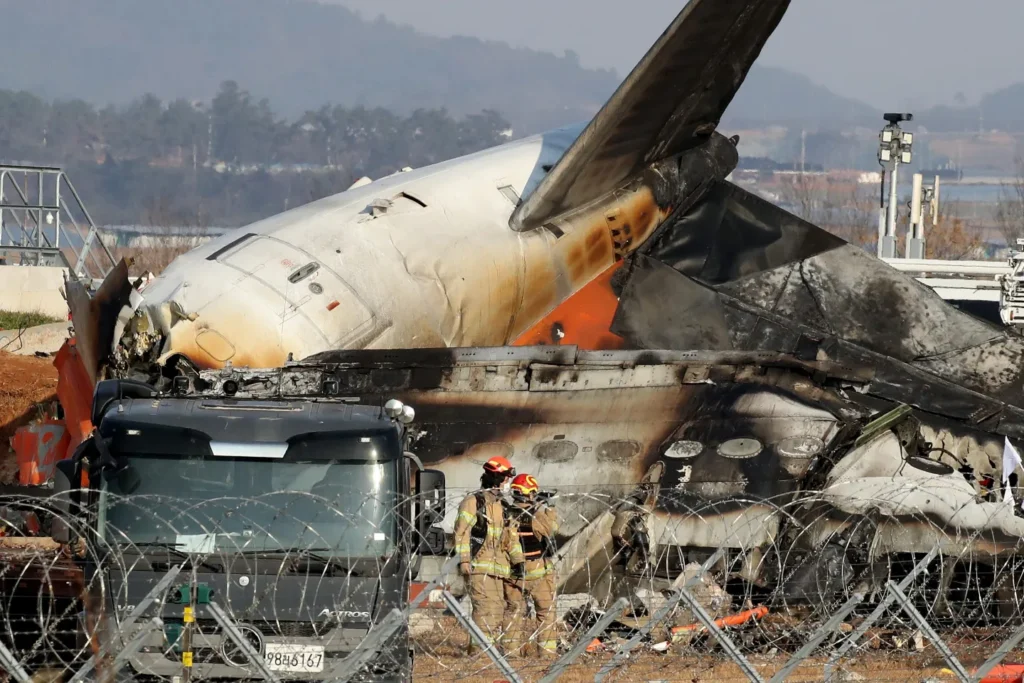
The crash of Jeju Air Flight 7C2216 on December 29, 2024, highlights the ongoing challenges in aviation safety, even in our modern and technologically advanced world. The Boeing 737-800, registered as HL8088, was involved in a gear-up landing at Muan International Airport, South Korea, resulting in 179 fatalities out of 181 occupants. The accident was attributed to a bird strike during a go-around, leading to a catastrophic landing and subsequent fire. The investigation revealed that the pilots identified a group of birds while approaching the runway, and feathers and bird blood stains were found on the engines. The aircraft made a gear-up landing, slid past the end of the runway, and collided with the ILS localizer antenna array, disintegrating and bursting into flames. The tail section, where two flight attendants were seated, remained relatively intact, allowing them to survive the accident. This incident underscores the persistent risks associated with bird strikes and the importance of effective bird strike prevention measures. It also raises questions about the safety of the Boeing 737-800, which has been involved in several high-profile accidents in recent years. Among the victims of this tragic accident was Sirithon Chaue, a 22-year-old student who had won a scholarship to study airline business management at Bangkok University, and had only three months to go before graduating. Five of the other victims were recently promoted colleagues en route to celebrate over the holidays, and their coworkers now fill their empty desks with chrysanthemums in their honor. This heartbreaking crash and the stories of its victims are a painful reminder of the importance of maintaining and improving aviation standards to prevent future disasters.
Alaska Airlines flight 1282
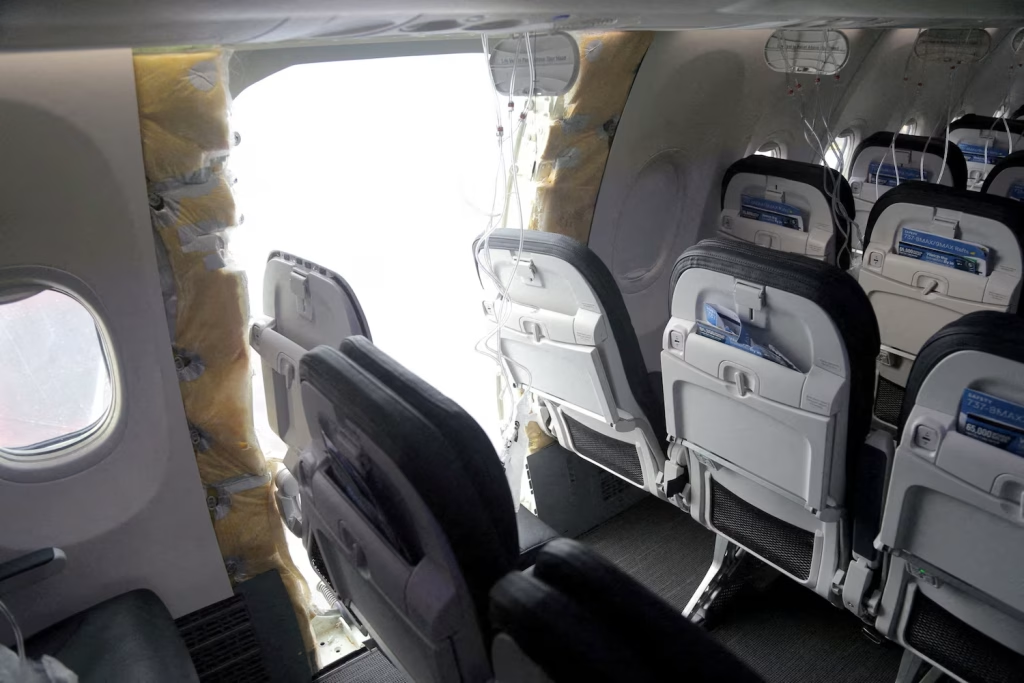
The recent incident on an Alaska Airlines Boeing 737 Max 9, in which a door plug on one of the planes exploded in mid-air, has put Boeing’s safety practices back in the spotlight. While no one was seriously injured, the FAA grounded all Max 9 planes after finding loose bolts and other problems. That adds to Boeing’s troubled history with the Max series, including two fatal accidents in 2018 and 2019 related to flight system failures. The incidents have made the public wary of Boeing’s planes. Ed Pierson, a former Boeing manager, said he would not fly the Max, and pointed out the pressure to rush production and ignoring safety warnings. He argued that Boeing’s decision to return the Max 9 to service after inspections was risky. Pearson, now with the Aviation Safety Foundation, sees a pattern of safety failures and broken promises. Boeing did not respond to these claims. The CEO of Boeing, David Calhoun, admitted the company had made mistakes and must do better to rebuild trust. However, actions such as revoking a safety exemption request for the new Max 7 show that Boeing is still struggling to balance safety and business. The case highlights the ongoing challenges Boeing faces in addressing systemic issues and regaining public confidence. Their future depends on putting safety ahead of speed and profit.
Brazil Aviation Crisis
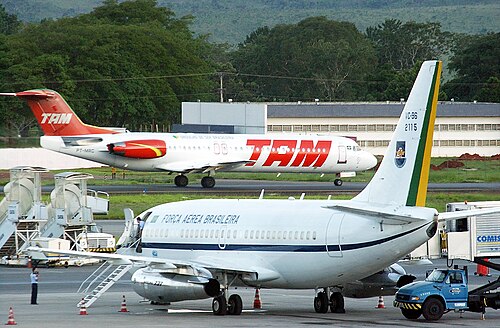
In 2006 and 2007, Brazil suffered a major aviation crisis, consisting of significant flight delays and cancellations, air traffic controller strikes and safety concerns about the country’s airport and air traffic infrastructure. The situation was first apparent in the 2006 collision of the Gol Transportes Aéreos Flight 1907 and an ExcelAire Embraer Legacy 600, resulting in 154 fatalities. Less than a year later, the TAM Airlines Flight 3054 crashed into a nearby warehouse and caused the loss of 199 lives. In addition to these severe crashes, conditions in Brazilian aviation were a mess, and nearly 100 air traffic controllers participated in a walk out in early 2007 to protest long hours, low pay, and poor working conditions. It took ten months since the start of the crisis for President Lula to acknowledge and commit to improving the Air Traffic Control system and aviation sector in Brazil. This situation serves as a reminder that not only are the victims of crashes and their families impacted by inadequate aviation safety, but so are air traffic control and airport workers, government employees, and civilians.
American Airlines Flight 5342
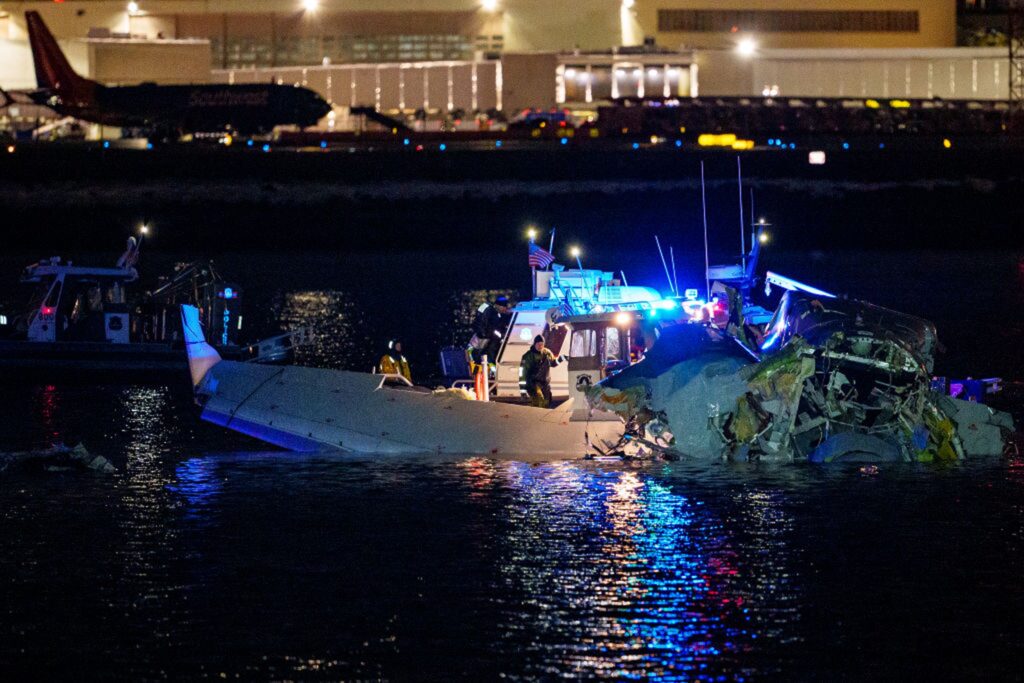
In January of 2025, American Airlines Flight 5342, a passenger plane carrying 64 people, collided with a Black Hawk helicopter above the Potomac River, resulting in no survivors. While there has not been adequate time to evaluate the true cause of this incident, poor communication, air traffic control, and violations of altitude limits have been cited as potential reasons for these aircraft hitting each other. Nearly half of the victims of the crash were figure skaters, coaches, or family members returning from the U.S. Figure Skating national development camp. In honor of all of these victims, U.S. Figure Skating hosted a “Legacy On Ice” tribute show, including performances and appearances from several Olympic Champions and icons of the sport. Married coaches and former world champions Vadim Naumov and Evgenia Shishkova were among the lives lost in this tragic event. Figure skater Maxim Naumov, the son of Vadim and Evgenia, also was present at the tribute and dedicated an emotional performance to his late parents and the rest of the crash victims. The tribute show gathered an audience of over 15,000, including the 500 first responders who worked the crash site and 150 family members of the victims. The event raised $1.2 million dollars to be donated to the families of the crash victims, a sign of significant strength and community in the wake of a heartbreaking accident.