
Narrative
Background
On a clear January morning in 1982, Air Florida Flight 90 took off from Washington National Airport, struggling through a snowstorm. Just 30 seconds after leaving the runway, the aircraft lost altitude, clipped a bridge, and plunged into the icy Potomac River, killing 74 passengers and crew members along with four people on the bridge (Federal Aviation Administration, 2023). In the aftermath of the disaster, investigations revealed that a combination of poor de-icing procedures and pilot error led to the tragedy. Yet, it wasn’t until later accidents—along with mounting public and regulatory pressure—that sweeping changes to aircraft de-icing protocols and crew training were implemented. This pattern—disaster, investigation, and reactive policy changes—has shaped the modern landscape of aviation safety. Aviation is often considered the safest mode of transportation, yet every major accident is a stark reminder of the risks involved. The airline industry has transformed dramatically over the past century, evolving from a loosely regulated sector in the early 20th century to one of the most scrutinized industries today. From catastrophic mechanical failures to terrorist attacks to corporate negligence, aviation accidents have often forced governments and manufacturers to enact new safety regulations.
This project explores two primary research questions: 1. How does GDP correlate with aviation safety? We analyze the role of economic factors in shaping aviation infrastructure, the number of flights taken per year, and overall safety standards across different countries. We attempt to observe the role that these factors may play in global flight safety outcomes and how this information may be used to create safer skies. 2. How has aviation safety changed over time? This includes examining trends in airline crashes, the response of major aircraft manufacturers such as Boeing and Airbus, and the evolving regulatory landscape that has shaped modern aviation safety.
Through case studies of major crashes—including the 9/11 terrorist attacks, South Korea’s KAL 007 disaster, and Washington D.C.’s Flight 90—we investigate how tragedies have shaped aviation policies. Additionally, human accounts shed light on ongoing safety concerns and ethical dilemmas within aircraft manufacturing and bring a human-centered element to our research. By combining historical narratives, statistical analyses, and personal testimonies, this research aims to provide a comprehensive understanding of aviation safety, both past and present. The following sections will present data-driven insights, timelines of key regulatory changes, and visualizations that capture the evolving nature of air travel safety worldwide.
How does GDP correlate with aviation safety?
The correlation between GDP and aviation safety is multifaceted, influenced by factors such as infrastructure, regulatory enforcement, flight volume, and economic investment in air travel. The graphs provided illustrate critical aspects of this relationship, showing both absolute fatality numbers and their distribution across different economic conditions.

The “Global Aviation Fatalities (2001-2021)” map provides a broader color-coded representation of aviation-related deaths, categorizing countries based on fatality ranges. The darkest blue areas, including the United States, Russia, and Brazil, indicate countries with the most fatalities, while lighter shades represent lower fatality counts. Light teal regions indicate little to no fatalities, suggesting either strong safety regulations or low air traffic volume. This map highlights a pattern where large economies with extensive aviation networks (such as the U.S.) experience high absolute fatalities, whereas certain developing nations with weaker regulatory oversight also report significant aviation casualties. Additionally, large portions of Africa and parts of Asia show moderate fatality counts, which could be attributed to aging aircraft, inconsistent maintenance practices, and regulatory gaps. The grey areas suggest a lack of comprehensive reporting in some regions, emphasizing disparities in aviation safety transparency worldwide.

The “Global Aviation Fatalities (2001-2021)” bar graph provides a visualization of global fatalities that reinforces the information from the map above and ranks the fatalities by country, enabling for a comparative analysis of the data. When first glancing at this graph, one could assume that countries with the highest fatality counts may have the most dangerous conditions or regulations, but looking deeper into the contributing factors, these numbers align with historical aviation incidents and contextual data. For example, Russia’s high fatality rate is partly due to aging Soviet-era aircraft still in operation within domestic routes and a weaker aviation safety culture compared to Western countries (Huileng Tan, 2024). There are nearly three million passengers traveling in and out of the United States every day, and therefore the high number of flight fatalities are correlated with the large number of air travelers (Federal Aviation Administration, 2024). Indonesia, meanwhile, has a long history of aviation safety challenges, with multiple fatal crashes linked to poor regulatory oversight, budget airlines, and harsh weather conditions affecting flight safety (Aisyah Llewellyn, 2024). Nigeria, another country appearing prominently in the list, struggles with outdated infrastructure and corruption in regulatory bodies, both of which have contributed to several high-profile accidents (Ayegba D. Haruna, 2025).
Slight correlation between increased gdp and decreased flight fatalities


The line graphs above demonstrate the relationship between GDP and flight fatalities from 2001 to 2021 in six countries: The United States, Canada, Russia, Indonesia, Brazil, and Mexico. These countries appeared most frequently in our data set, meaning that they had the most flight safety incidents (not necessarily fatalities) in the two decades that we focused our research on. Each of these graphs represents the same pattern at varying degrees- as GDP increases over time, the number of flight fatalities decreases. This correlation is most clearly depicted in the United States, but it presents itself in the other countries as well. Increased GDP could be responsible for explaining reduced aviation fatalities because wealthier countries are more likely to have advanced infrastructure and manufacturing, higher wages for pilots and airport staff, and increased regulation for air safety.
While this pattern between GDP and fatalities is present, it is not a very strong correlation, as spikes in fatality counts can be seen in each graph, regardless of improved GDP. These rapid increases are due to major aviation accidents, occurring as a result of various factors. A strong example of this is the case of Indonesia, where the rapid growth of budget airlines such as Lion Air has contributed to frequent crashes, including the Lion Air Flight 610 crash in 2018. This incident, caused by faults in Boeing’s 737 Max aircraft, exposed not only manufacturer negligence but also deficiencies in regulatory oversight in Indonesia (Associated Press, 2019). Similarly, Russia’s aviation sector has suffered due to outdated infrastructure and a reliance on older aircraft, leading to major disasters such as the Aeroflot Flight 821 crash in 2008, where pilot error and inadequate training were major contributing factors (Aviation Safety Network, 2008). The only major spike in the data for Brazil occurred in 2006 and 2007, aligning with the Brazilian aviation crisis in those same years.
Beyond these graphs, academic research and aviation reports provide additional insights into the relationship between economic development and air travel safety. Studies indicate that higher GDP per capita is associated with better aviation safety due to several key factors. Wealthier nations invest heavily in aviation infrastructure, ensuring well-maintained airports, modern air traffic control systems, and strict safety regulations (Fardnia et al., 2019) Advanced technologies like GPS navigation and automated safety monitoring further reduce accident risks. In contrast, lower-GDP countries often struggle with outdated infrastructure, increasing the likelihood of accidents due to poor runway conditions and limited emergency response. Regulatory stringency also plays a crucial role. High-GDP countries have well-funded aviation oversight bodies like the FAA (U.S.), EASA (Europe), and CAAC (China), which enforce strict safety standards and regular inspections (Aviation Benefits, 2019). In contrast, lower-GDP nations may lack the resources to maintain and enforce proper aviation regulations, leading to higher accident rates. Fleet modernization is another advantage of wealthier economies. Airlines in these countries operate newer aircraft with advanced safety features, whereas lower-GDP nations often rely on aging fleets, increasing mechanical failure risks. Similarly, pilot training and safety culture are stronger in high-GDP nations, where pilots undergo rigorous training with advanced simulators and strict certification processes, unlike in lower-income countries where training standards may be less stringent (International Air Transport Association, 2025).

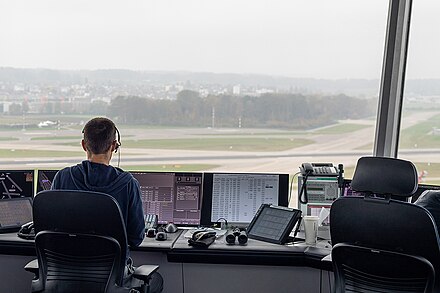
In conclusion, the correlation between GDP and aviation safety is not purely linear but follows a broader trend where high-income countries experience fewer accidents per flight, while middle-income nations with rapidly expanding aviation sectors face disproportionate risks due to regulatory gaps and infrastructure challenges. The provided visualizations confirm that while absolute fatalities may be higher in high-GDP nations, the per-flight accident rate is much lower due to strong regulatory oversight and advanced safety measures. In contrast, countries with lower GDP levels but high aviation activity—such as Indonesia and Russia—face greater safety risks, resulting in more frequent and deadlier crashes.
How has aviation safety changed over time?
Aviation safety has evolved significantly over the decades, shaped by technological advancements, regulatory reforms, and lessons learned from major accidents. This evolution reflects a dynamic interplay between innovation, oversight, and the relentless pursuit of safer skies. By examining trends in airline crashes, the responses of major aircraft manufacturers like Boeing and Airbus, and the evolving regulatory landscape, we can trace the trajectory of aviation safety and its impact on the industry and passengers alike.
Decreased aviation fatalities from 2001 to 2021

Early Aviation and the Foundations of Safety
In the early 20th century, aviation was a fledgling industry with minimal regulation. Aircraft were relatively simple, and accidents were frequent, often attributed to mechanical failures and pilot error. The introduction of the Air Commerce Act of 1926 in the United States marked a turning point, establishing the first set of federal safety regulations for civil aviation (Federal Aviation Administration, 2021). This act laid the groundwork for future developments, including the creation of the Civil Aeronautics Board (CAB) in 1938, which oversaw safety standards and accident investigations. The mid-20th century saw rapid advancements in aircraft technology, with the introduction of jet engines and pressurized cabins. These innovations increased flight speeds and altitudes but also introduced new safety challenges. The de Havilland Comet disasters in the 1950s, for instance, highlighted the dangers of metal fatigue in pressurized aircraft, leading to improved design and maintenance standards (Royal Air Force Museum, 2020).
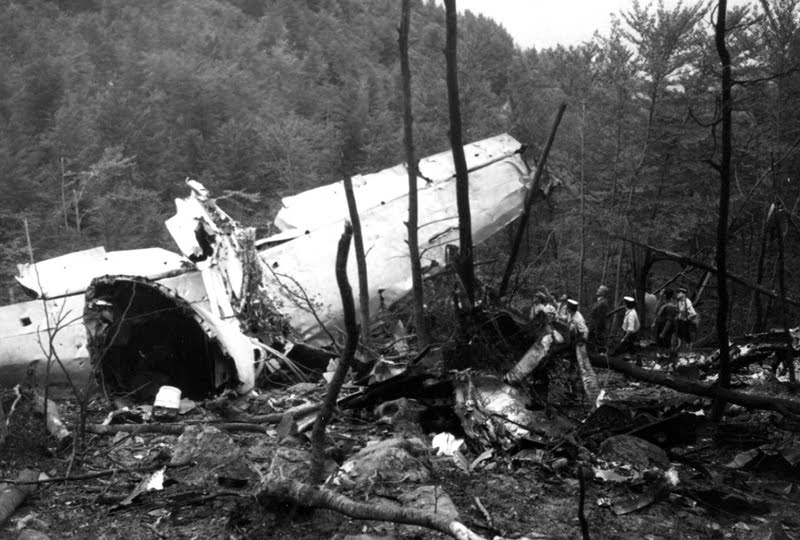
De Havilland DH.106 Comet Crashes
The de Havilland DH.106 Comet revolutionized aviation as the first commercial jet airliner. However, the first model of the aircraft resulted in three catastrophic incidents, sparking major structural redesigns to ensure the safety of future flights. Pictured left is one of the crashed planes, causing 112 fatalities in that single incident.
The Rise of Jet Travel and Regulatory Response
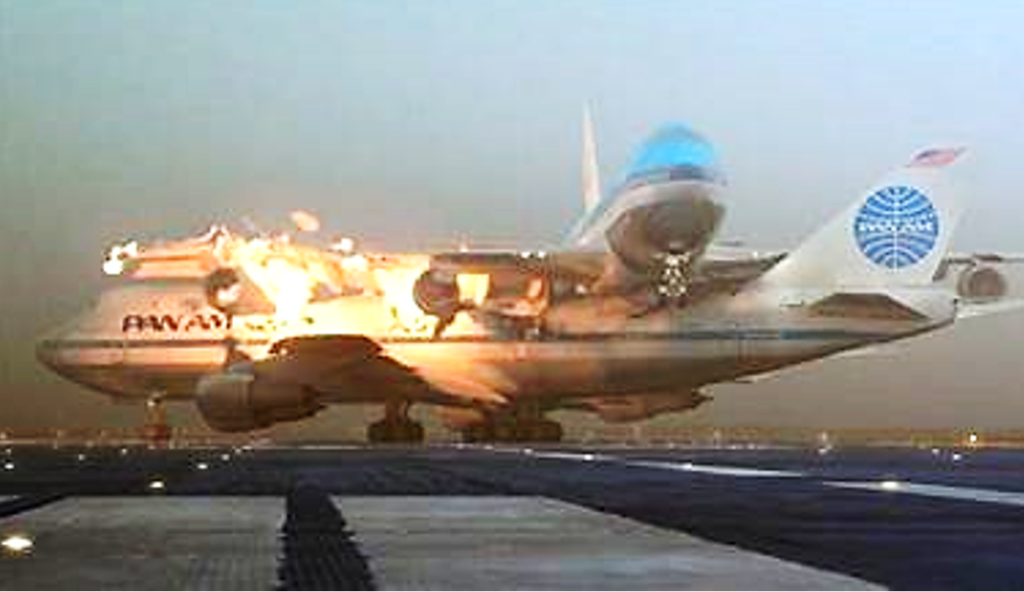
The 1960s and 1970s witnessed the rise of commercial jet travel, with Boeing and other manufacturers producing iconic aircraft like the 707 and 747. As air travel became more accessible, the number of passengers and flights surged, necessitating stricter safety measures. The Federal Aviation Administration (FAA) was established in 1958, consolidating regulatory authority and enhancing safety oversight. Despite these advancements, accidents continued to occur, often due to human error, mechanical failures, or a combination of both. The Tenerife airport disaster in 1977, involving two Boeing 747s, remains the deadliest aviation accident in history, underscoring the need for improved communication and collision avoidance systems. This tragedy led to the implementation of crew resource management (CRM) training, which emphasizes teamwork and communication in the cockpit (Paul Andrews, 2024).
Tenerife airport disaster (1977)
The Tenerife Airport Disaster of 1977 remains the deadliest crash in aviation history in which two 747 jumbo jets collided during take-off on the runway of Los Rodeos Airport. The horrific crash killed 583 people and led to improved communication systems, increased training for pilots and air traffic controllers, new protocols for responding to adverse weather conditions, an expansion of runway traffic light systems
Technology and Regulation
The late 20th and early 21st centuries brought significant technological advancements, such as fly-by-wire systems, digital cockpits, and advanced navigation aids. These innovations improved safety by reducing pilot workload and enhancing situational awareness. However, they also introduced new risks, as seen in the Air France Flight 447 crash in 2009, where automation failures and pilot confusion led to a fatal accident (Nick Oliver, 2017). Regulatory bodies like the FAA and the European Union Aviation Safety Agency (EASA) have played crucial roles in shaping modern aviation safety. They have implemented stringent certification processes, mandated safety management systems, and promoted global safety standards through organizations like the International Civil Aviation Organization (ICAO).
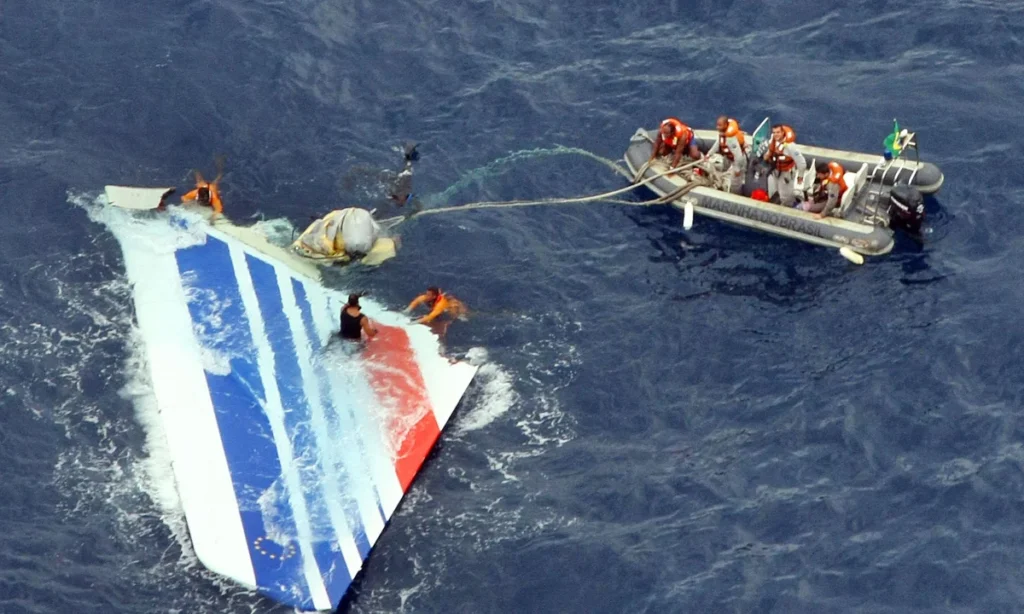
Air France Flight 447
Air France Flight 447 was a scheduled passenger flight from Rio de Janeiro to Paris that crashed into the Atlantic Ocean on June 1, 2009, killing all 228 people on board. The crash was caused by a combination of pilot error and technical malfunctions, including the icing of the plane’s pitot tubes, which led to a loss of airspeed data and ultimately a stall.
The Evolving Role of Manufacturers and airlines
Manufacturers play a critical role in aviation safety by designing and constructing the very planes that transport people across the globe. The focus of these companies is on creating technologically advanced, efficient, and safe transportation in the ever-changing world. Major improvements in STEM fields have progressed the abilities of airplane manufacturers and equipped new generations of engineers, technicians, and inspectors to create the best machinery possible. Taking on a much different role in aviation are the airlines, which focus on the operation and management of flights around the world. Airlines work on coordinating pilot, crew, and passenger schedules and air traffic in addition to maintaining distinct brand image, whether it be budget-friendly and accessible or exclusive and luxurious. By investing in innovation and fostering a culture of accountability, both manufacturers and airlines play a crucial role in minimizing human error and ensuring the highest safety standards in the aviation industry.
Boeing and airbus lead manufacturer fatality counts

Boeing and Airbus, the two dominant aircraft manufacturers, have faced increasing scrutiny over their safety records. Boeing, in particular, has come under fire for its handling of the 737 MAX crashes, which were attributed to faulty design and inadequate pilot training. The company’s response, including the eventual grounding of the fleet and subsequent design changes, highlighted the need for greater transparency and accountability in the industry. As shown in the bar graph, Boeing is the airplane manufacturer with the highest number of fatalities. While many of these fatalities have been proven results of failure on Boeing’s part, it is also important to note that there may be more Boeing aircraft in production than other models, and some accidents may be caused by issues beyond the manufacturer’s control. Airbus has the second highest number of fatalities recorded in our data set, but they have over 1,000 fewer fatalities than Boeing. Airbus has not been immune to criticism, with accidents like the Air France Flight 447 crash raising questions about the reliability of automated systems and the need for better pilot training. However, they have focused on innovation and safety, introducing fly-by-wire technology and advanced cockpit systems.
highest operator fatalities associated with Malaysian airlines

The bar graph above shows the top ten airlines with the highest fatalities from 2001 to 2021, from a data set of over 1,000 airlines. Malaysian Airlines had the highest number of fatalities with 298, followed by American Airlines, Ethiopian Airlines, Lion Air, and TAM Brasil all with 200+ fatalities. While these numbers are stark, it is important to note that for all of these operators, almost, if not, all of the fatalities resulted from one singular flight incident. Malaysian Airlines, for example, only appears four times in our data set, but since this includes missing Flight MH370, this operator has the highest record of fatalities. The previously mentioned Flight 3054 on TAM Brasil and Flight 610 on Lion Air, as well as American Airlines Flight 587, also have high operator fatality rates as a result of one individual incident.
The Future of Aviation Safety
The future of aviation safety lies in a combination of technological innovation, regulatory vigilance, and a culture of continuous improvement. Emerging technologies like artificial intelligence and machine learning are being explored for their potential to enhance safety, from predictive maintenance to advanced collision avoidance systems. Regulatory bodies must continue to adapt to the changing landscape, ensuring that safety standards keep pace with technological advancements. This includes addressing emerging risks, such as cybersecurity threats and the integration of unmanned aerial vehicles (UAVs) into airspace. In conclusion, aviation safety has evolved significantly over time, driven by a complex interplay of technology, regulation, and human factors. While accidents continue to occur, each incident provides valuable lessons that contribute to the ongoing pursuit of safer skies. The case of Jeju Air Flight 7C2216 serves as a stark reminder of the persistent challenges and the need for continued vigilance in the quest for aviation safety.